
You paid for a logo, you've put it on your website, your truck, and your business cards — so it's yours, right? Mostly. But "owning" a logo actually involves two different kinds of legal protection, and most small business owners only have half of it. Here's how copyright and trademark each apply to a logo, which one matters more, and what to do next.
(Quick note: this is general information from a designer, not legal advice. For your specific situation, talk to a trademark attorney.)
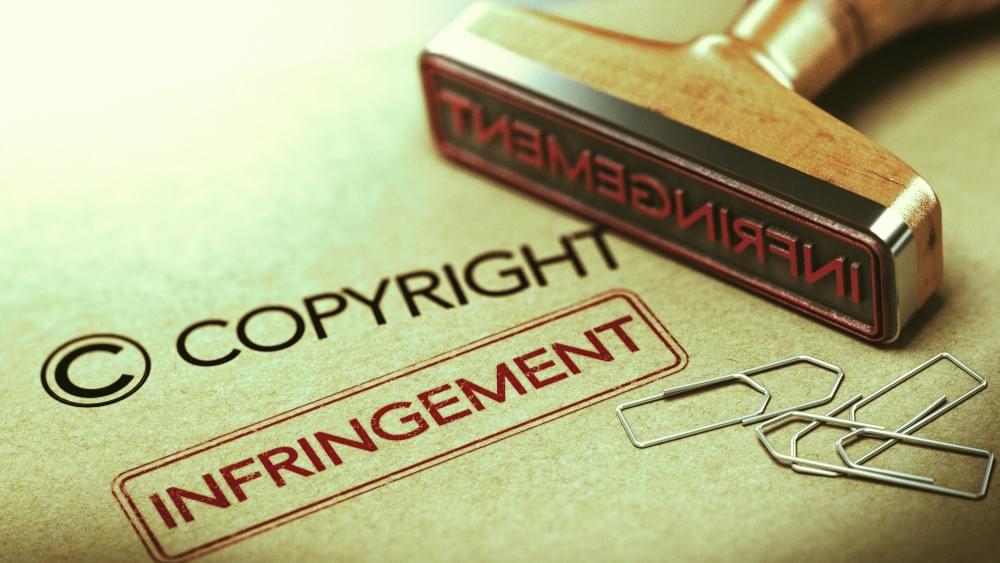
Copyright vs. Trademark: What's the Difference?
Copyright protects creative work — the artwork itself. Trademark protects a brand identifier — the thing customers use to recognize who's selling a product or service.
For a logo, that means:
- Copyright covers the original drawing or illustration in your logo.
- Trademark covers how your logo identifies your business in the marketplace, and stops competitors from using something confusingly similar.
A logo can have both, one, or neither. Which ones apply depends on how the logo is designed and how you use it.
Can You Copyright a Logo?
Sometimes. The U.S. Copyright Office says copyright doesn't protect names, slogans, or short phrases, but it may protect logo artwork that contains enough original authorship.
The catch is what doesn't count. According to the Copyright Office's guide to works not protected by copyright, copyright doesn't cover:
Typefaces, fonts, or lettering
- Familiar symbols and common shapes, like stars, hearts, or arrows
- A simple combination of a few familiar shapes
- So a logo that's just your business name in a nice font, or a name inside a circle, usually can't be copyrighted. A logo with a custom illustration — a mascot, a hand-drawn icon, a detailed emblem — usually can.
A simple test: take the words out. If there's still an original drawing left, copyright likely applies.
Do You Need to Trademark Your Logo?
You start building trademark rights the moment you use your logo to sell your goods or services. The USPTO explains that you become a trademark owner as soon as you start using your mark, but those rights only apply to the geographic area where you do business.
That's called a common law trademark. It's real protection, but it's limited. If you operate in Murfreesboro and someone in Ohio starts using a similar logo, you may not be able to stop them.
Federal registration changes that. Registering with the USPTO creates rights throughout the entire United States, gives you a legal presumption that you own the mark, and lets you use the ® symbol.
For most businesses, trademark is the protection that matters more. Copyright protects the artwork; trademark protects your brand.

TM vs. ®: Which Symbol Can You Use?
- ™ (or ℠ for services): You can use these anytime, without filing anything. They tell people you're claiming the mark.
- ®: Only after your trademark is federally registered with the USPTO, and only for the goods or services listed in the registration.
Using ® before your registration comes through isn't allowed, so stick with ™ until you have the certificate.
How Much Does It Cost to Trademark a Logo?
The USPTO's base application fee is $350 per class of goods or services. A "class" is a category of what you sell. A design studio might file in one class; a business that sells products and services might need two or more.
Extra fees apply if your application is missing information or uses custom descriptions instead of the USPTO's pre-approved list. Many businesses hire a trademark attorney to run a search and file, which adds to the cost but cuts the risk of a rejection. The USPTO also has a step-by-step overview of the trademark process if you want to see what's involved.
Who Actually Owns Your Logo Design?
This is the part most business owners miss. If an outside designer or agency created your logo, the designer usually owns the copyright in the artwork unless there's a written agreement that transfers it to you.
The legal "work made for hire" exception only applies to employees, or to a short list of specific work types under a signed agreement, according to the Copyright Office's guide to works made for hire. Logos generally aren't on that list. That's why your design contract should include a written copyright assignment.
- Before you file a trademark or print 5,000 brochures, make sure you have:
- A signed contract that assigns the logo's copyright to your business
- The final source files (AI, EPS, SVG, and high-resolution PNG)
Every Sharp Media & Design branding project includes a written transfer of rights to the final logo once the project is paid in full.

Protect Your Logo in 4 Steps
- Make sure you own it. Get a written copyright assignment from whoever designed it.
- Search before you commit. Check the USPTO trademark database, your state's business records (in Tennessee, start with the Secretary of State's business services), and Google for similar logos in your industry.
- Use ™ right away. It costs nothing and puts others on notice.
- Register when you're ready to grow. If you plan to expand beyond your local market, federal registration is worth it.
Need a Logo Worth Protecting?
A logo with original artwork is easier to protect, easier to recognize, and harder to copy — and it's one of the reasons your small business needs a designer instead of a template. If you're building a brand or refreshing an old one, see our branding services or browse our branding portfolio. When you're ready, get a free quote from Sharp Media & Design.